Critical Components to Strengthen the Performance of Remote Communication Systems
Virtual meeting solutions have emerged as an essential resource for companies, educational institutions, and teams aiming to maintain interaction and partnership across boundaries. To achieve these systems operate optimally, several technical and practical components must be carefully planned. The core of successful telepresence depends on reliable devices, including HD recording devices, clear sound setups, and stable displays. These components provide that attendees can see and hear each other with precision, which substantially influences engagement and understanding. In addition, the integration of advanced audio devices and noise-cancellation tools assists eliminate background distractions, allowing sessions and remote meetings to function effectively.
Equally critical is the internet system that supports telepresence platforms. Fast broadband with reduced lag are crucial for maintaining continuous video and voice streams. Organizations must also adopt secure networking standards to protect confidential details during telepresence sessions. Network allocation and network redundancy further support platform stability, avoiding downtime that can impact output. By prioritizing stable and secure network connections, remote interaction solutions can provide optimal effectiveness that supports the requirements of both speakers and participants.
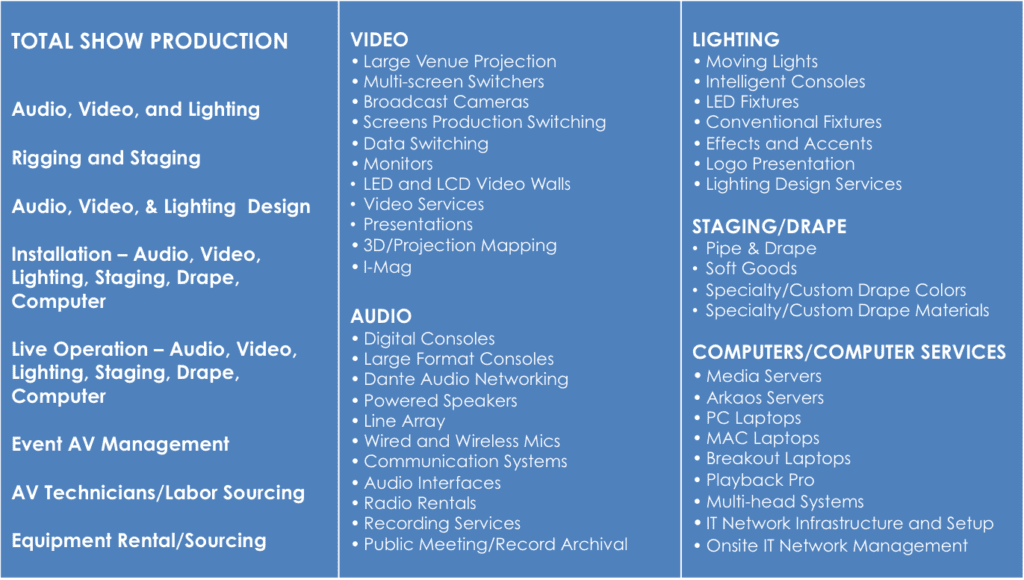
Platform and system capabilities are critical in enhancing virtual presence. Tools such as interactive tools, display sharing, and interactive boards enable attendees to engage more efficiently. Intuitive interfaces are also critical, enabling individuals with varying levels of technical expertise to engage easily. Connections with calendar systems, workflow applications, and data platforms can simplify remote sessions and minimize the need for manual coordination. Collectively, these platform tools improve the overall more tips here experience, making remote communication more than just a conference but a fully interactive team space.
Human factors and guidance are often underestimated but are vital to the performance of remote interaction solutions. Attendees must learn best practices for camera positioning, illumination, and audio input to enhance clarity and audibility. Workshops can also familiarize staff with platform tools, helping them use platform systems effectively. Encouraging communication standards during remote sessions, such as muting when not talking and maintaining visual attention, enhances engagement and conduct. By combining system readiness with training, entities can enhance the effectiveness of their this link virtual communication systems.
Finally|Ultimately|In conclusion, regular monitoring and optimization are essential to maintaining telepresence effectiveness. Gathering responses from users, observing platform functionality, and keeping current equipment and platform tools support that the platform continues to be efficient and stable. Analytical tools can allow identify persistent problems, while upgrades in tools can introduce new capabilities that improve telepresence. By committing to continuous improvement and enhancement, companies can ensure a professional telepresence experience, reinforcing connectivity, collaboration, and output across remote teams.